
-
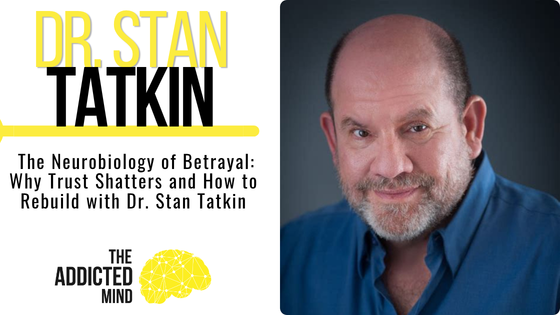
This episode features a deep dive into the complex neurobiology of betrayal with Dr. Stan Tatkin, the developer of PACT (A Psychobiological Approach to Couple Therapy). Hosted by Duane Osterlind, the conversation explores why betrayal feels like an existential threat, the role of shame in stalling recovery, and the “hard pills” that must be swallowed for true relationship restoration.
The Anatomy of Betrayal
Betrayal is often misunderstood as simply a sexual or financial act. Dr. Tatkin defines it more deeply as the violation of the free flow of vital information.
- Identity Shattering: When vital information is withheld, the discovery partner’s entire history, identity, and sense of reality are retroactively altered.
- The “Secret Basement”: Engaging in deceptive behaviors creates a psychological “basement” that triggers a “sleeping with the enemy” dynamic once revealed.
The Neurobiology of Discovery
The brain of a betrayed partner enters a state of Post-Traumatic Stress (PTSD).
- Automatic Re-sorting: For approximately one year after discovery, the brain will automatically resort every past memory to fit the new data—this happens without the person’s permission.
- Hypervigilance: Because the “safe” environment (the partner) has become a “threat” environment, the survival system remains stuck in the “on” position.
The “Distancing” Betrayer
Dr. Tatkin notes that a large majority of “secret keepers” fall into the avoidant/distancing attachment group.
- Adaptation over Choice: Avoidant behaviors often stem from early childhood neglect where the infant learned to “auto-regulate” through fantasy and compartmentalization rather than seeking comfort from others.
- Self-Objectification: These individuals may treat partners as “self-objects”—extensions of themselves—rather than separate people with their own rights and feelings.
The Role of Shame vs. Guilt
Shame is often the greatest hurdle to healing.
- Parasympathetic Collapse: Shame feels like a physical “bleeding out” or exposure of one’s guts.
- The Trap of Self-Flagellation: When a betrayer indulges in their own shame, they effectively “role-reverse,” forcing the betrayed partner to care for them.
- Justice and Fairness: For a relationship to heal, the betrayer must move from shame (which is about self) to contrition and guilt (which is about the harm caused to the other).
Key Takeaways for Healing
- Boundaries Save Relationships: Dr. Tatkin argues that the betrayed partner must “throw down” and be willing to leave. For the betrayer to change, they must lose the relationship they thought they had. Without consequences, there is no motivation for character change.
- The Burden is on the Secret Keeper: To repair the bond, the betrayer must be willing to be the “hero, the healer, and the villain” simultaneously, falling on their sword repeatedly without complaining about the length of the process.
- Co-Regulation is Essential: We heal through the eyes of others. While the betrayer cannot look to the betrayed partner for comfort initially, they must find groups, therapists, or “unafraid others” to help regulate their shame.
- Tools for Self-Regulation:
- Journaling: Distancing yourself from the “movie” in your head by putting it on paper.
- Talking Aloud: Naming emotions (e.g., “Right now I feel humiliated”) to engage the prefrontal cortex and interrupt the “silent running” of toxic self-talk.
Resources Mentioned
- The PACT Institute: thepactinstitute.com
- Books by Stan Tatkin: Wired for Love, We Do, and In Each Other’s Care.
- Duane Osterlind: Novus Counseling
“Attachment biology tells us on an existential level: I can’t quit you, it feels like death. But I can’t live with you either. This is the ‘dark side’ of attachment that keeps us in relationships even when we shouldn’t be—unless we stand on principle.” > — Dr. Stan Tatkin
Follow and Review: We’d love it even more if you could drop a review or 5-star rating over on Apple Podcasts. Simply select “Ratings and Reviews” and “Write a Review” then a quick line with your favorite part of the episode. It only takes a second and it helps spread the word about the podcast.
Supporting Resources:
If you live in California and are looking for counseling or therapy please check out Novus Mindful Life Counseling and Recovery Center
We want to hear from you. Leave us a message or ask us a question: https://www.speakpipe.com/addictedmind