
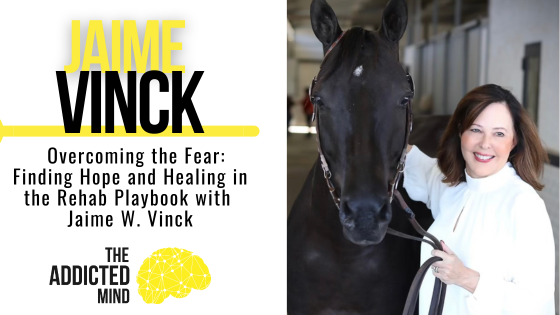
In this episode, host Duane Osterlind speaks with Jaime W. Vinck MC, LPC , President of Meadows Behavioral Health and a Licensed Professional Counselor with 20 years of experience in the treatment industry. They discuss her book, The Rehab Playbook, which aims to demystify the rehabilitation process and encourage more people to seek help for addiction and mental health challenges.
📖 Why the Book Was Written
Jaime was inspired to write The Rehab Playbook during COVID-19, driven by the dedication of treatment staff and the desire to diminish suffering. The book’s core mission is to pull back the curtain on rehab, showing the process from the inside out to help people overcome the fear and stigma associated with seeking treatment.
- The Gap in Care: Statistically, only one out of ten people who need treatment get it, and it takes the average person 10 years to pick up the “thousand-pound phone” and seek help.
- Addressing Fear: The book explains the logistics of rehab—from what to bring, the luggage search process, and the healthy use of electronics—to address common reasons people drop out in the first few days due to unexpected rules or procedures.
- The Why: All rules and processes are explained as being for the patient’s own safety and to ensure their treatment success.
The Fear and Stigma of Seeking Help
- Stigma and Labeling: Despite COVID-19 somewhat reducing the stigma, people are still afraid of being labeled, losing their jobs, or being judged by friends and family.
- Media Misrepresentation: Media portrayals of rehab (like One Flew Over the Cuckoo’s Nest or 28 Days) often create an inaccurate and fear-inducing image of the environment.
- The “No Judgment Zone”: In quality treatment centers, the culture is one of carefrontation, not confrontation, where shame and guilt are replaced by trust and normalization. Most staff members have personal experience with addiction or recovery, fostering a deeply empathetic environment.
The Cornerstone of Healing
- Structured Schedule: Days are packed with movement (gym, pickleball, pool), group work, and lectures, starting with early-morning gratitude.
- Primary Process Group: This is considered the cornerstone of deep addiction treatment. It involves a small group of 6-8 people with a primary therapist where patients share their life story/timeline.
- Corrective Experience: Group work helps repair early childhood trauma where vulnerability may have been dangerous. Hearing others share their stories reveals more similarities than differences, breaking down isolation and teaching healthy empathy.
- Experiential Therapies: Modalities like equine psychotherapy (working with horses), ropes courses, and art therapy help patients get their bodies moving and discover they can experience joy and connection while sober.
- Trauma Work: Treatment includes one-on-one trauma assessments and evidence-based modalities, along with resources like a Brain Center for neurofeedback and neuromodulation.
Major Barriers to Treatment:
- Lack of Awareness of Resources: Many people incorrectly believe rehab is only for the wealthy and are unaware their insurance (like Blue Cross Blue Shield) or employee assistance programs (EAPs) can cover treatment based on medical necessity.
- Time Off Work: Individuals often don’t realize they can take time off through the Family Medical Leave Act (FMLA) or short-term disability.
Jaime’s final advice for anyone considering seeking help:
“You deserve to live a life that’s happy, joyous, and free. People get better every day, so don’t give up the hope.”
🔗 Resources
- Book: The Rehab Playbook
- Website: www.therehabplaybook.com
If you live in California and are looking for counseling or therapy please check out Novus Mindful Life Counseling and Recovery Center
We want to hear from you. Leave us a message or ask us a question: https://www.speakpipe.com/addictedmind