
Worksheet: Drawing Your Lines Boundaries
Imagine living in a house with no walls, no doors, and no fences. Anyone could walk in at any time—tracking mud on your carpet, eating your food, or sleeping on your couch without asking. You’d feel exposed, anxious, and exhausted. For many people in recovery, this is exactly how they treat their emotional lives. They leave doors wide open, letting people walk all over their time, energy, and peace of mind because they don’t know how to build fences.
Download The Worksheet
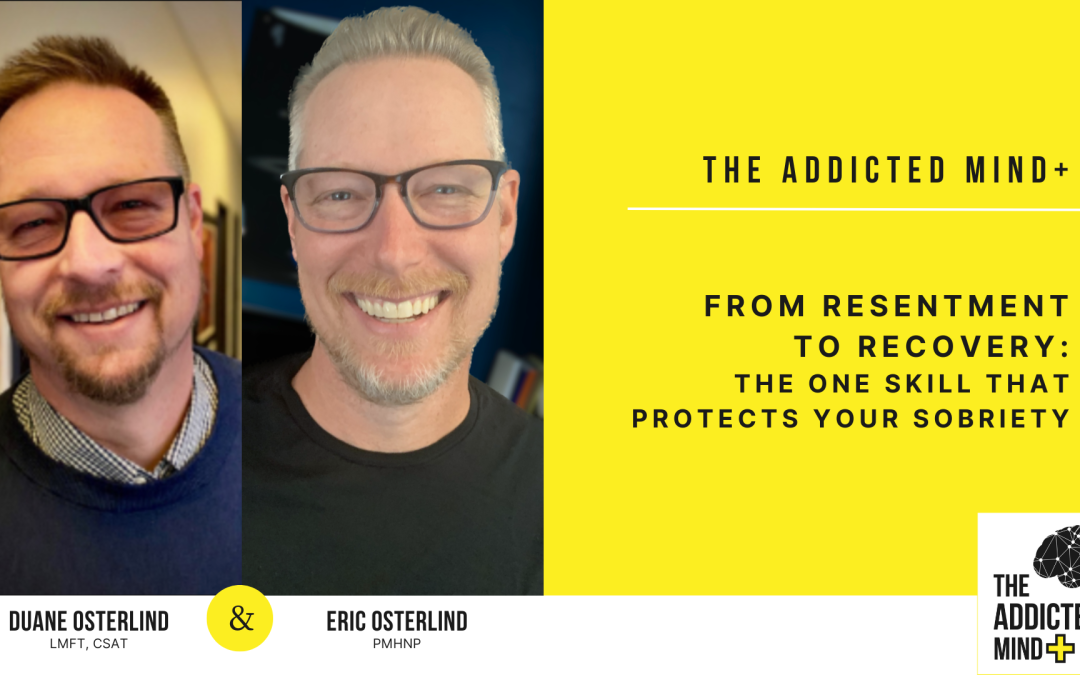
In this episode of The Addicted Mind Plus, hosts Duane Osterlind and Eric Osterlind tackle one of the most critical skills for protecting your recovery: setting healthy boundaries. If you’ve ever felt that knot in your stomach when someone asks for something you don’t want to give—your time, your money, your emotional energy—and heard yourself saying “yes” anyway, this episode is for you.
The painful truth is that when we don’t set boundaries, we accumulate resentment. And as the saying goes in recovery rooms everywhere, “resentment is the number one offender.” It leads directly to stress, emotional chaos, and eventually relapse. If you can’t protect your space, you can’t protect your sobriety.
But why is saying “no” so terrifying, especially in early recovery? Duane and Eric explore the deep fears behind our inability to set limits—the fear of rejection, abandonment, and disappointing others. For many of us, especially those with childhood trauma, we learned early on that we had to perform for our caretakers to receive love. Setting boundaries felt dangerous then, and it still feels dangerous now.
Using insights from the evidence-based Seeking Safety Model, developed specifically for people dealing with both trauma and addiction, the hosts break down what healthy boundaries actually look like. They’re not rigid walls that shut everyone out—they’re more like gates or fences. You get to decide who comes in and who stays out. You get to teach people how to treat you.
The episode covers three essential types of boundaries: physical boundaries (your personal space and body), emotional boundaries (protecting your feelings and not taking responsibility for others’ emotions), and time/energy boundaries (protecting your schedule and preventing burnout). As Brené Brown famously said, “Daring to set boundaries is about having the courage to love ourselves even when we risk disappointing others.”
But knowing you need boundaries and actually setting them are two different things. Duane and Eric provide a simple but powerful formula for expressing your needs without starting a fight. Using “I statements,” you can communicate clearly: “I feel [emotion] when you [specific behavior], and I need [specific request or limit].” Instead of attacking someone by saying, “You’re so annoying, stop talking about my past,” you might say, “I feel uncomfortable and triggered when you bring up my past substance use in casual conversation. I need us to agree that we won’t talk about this unless I bring it up first.”
The key mindset shift? You’re not controlling the other person—you’re protecting yourself. A boundary isn’t about forcing someone to stop their behavior; it’s about what you will do if they cross your line. If a friend pushes you to have “just one drink,” your boundary might mean saying, “I think it’s time for me to leave.”
This episode comes with a free downloadable worksheet that breaks down the “I statement” formula and gives you space to script out your boundaries before you have to say them out loud. Because as Duane reminds us, when we don’t make our boundaries clear ahead of time, our feelings get in the way—guilt, fear, and shame can make our boundaries collapse.
Remember: good fences make good neighbors, and great boundaries make for solid recovery.
- The danger of no boundaries: How leaving your emotional life wide open leads to resentment, stress, and relapse
- Why saying “no” feels terrifying: Understanding our deep fears of rejection, abandonment, and disappointing others
- Three types of essential boundaries: Physical, emotional, and time/energy boundaries that protect your recovery
- The “I statement” formula: A simple but powerful tool for expressing boundaries without attacking others
- Boundaries vs. walls: Learning the difference between healthy gates that let the right people in and rigid barriers that isolate you
- Protecting yourself, not controlling others: Understanding that boundaries are about what YOU will do, not forcing others to change
- Self-respect as a recovery skill: Why setting boundaries is actually an act of self-love, not selfishness
Timestamp
[00:00:40] – The house with no walls: Why living without boundaries leaves you exposed and exhausted
[00:03:00] – That knot in your stomach: Recognizing when you’re saying “yes” but feeling resentful
[00:04:30] – Why boundaries protect sobriety: How resentment becomes the number one offender leading to relapse
[00:06:00] – The three types of boundaries: Physical, emotional, and time/energy protection explained
[00:09:00] – The practical formula: Learning the “I feel/when you/I need” boundary-setting statement
[00:12:30] – The crucial mindset shift: Understanding you’re protecting yourself, not controlling others
[00:14:00] – Your two-step action plan: Identifying where you need boundaries and scripting your “I statements”
Follow and Review: We’d love it even more if you could drop a review or 5-star rating over on Apple Podcasts. Simply select “Ratings and Reviews” and “Write a Review” then a quick line with your favorite part of the episode. It only takes a second and it helps spread the word about the podcast.
Supporting Resources:
If you live in California and are looking for counseling or therapy please check out Novus Mindful Life Counseling and Recovery Center
We want to hear from you. Leave us a message or ask us a question: https://www.speakpipe.com/addictedmind