
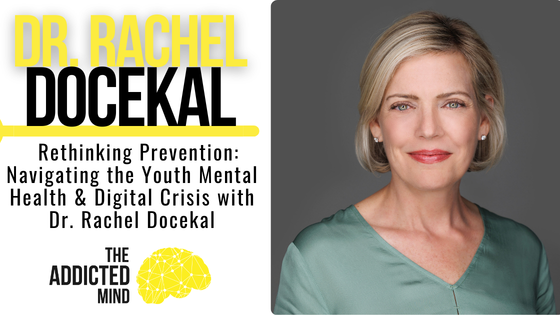
In this episode, Duane Osterlind sits down with Dr. Rachel Docekal to discuss the shifting landscape of youth addiction and mental health. With over 40 years of history, the Hanley Foundation is moving beyond the “Just Say No” era into evidence-based prevention that addresses the root causes of use: isolation, digital addiction, and the mental health fallout of the post-COVID world.
Key Takeaways
- The “Double Whammy” of COVID & Smartphones: Dr. Docekal highlights how the combination of pandemic isolation and the rise of social media “highlight reels” has created a surge in anxiety and depression among youth.
- The Shift in Treatment: For the first time, the Hanley Center has had to dedicate primary beds specifically to mental health (not just detox), reflecting a crisis where substances are often a secondary symptom of internal distress.
- The THC Trap: They discuss the alarming trend of high-potency marijuana causing psychiatric breaks in young people—and the frightening reality that for some, the cognitive changes may be permanent.
- Connection Over Correction: The core of the issue is often a loss of “true human connection.” From families on phones at dinner to the addictive nature of algorithms, the “nemesis” in the pocket is often the biggest barrier to wellness.
Innovative Prevention Programs
The Hanley Foundation is pioneering programs that treat students with dignity rather than just discipline.
Program Focus
Replacing “Zero Tolerance”Instead of suspension/expulsion, students caught using enter a series of counseling sessions that include their parents.Alcohol Literacy ChallengeDe-bunking MythsThis program uses science to show kids that the “positive” effects they expect from alcohol (confidence, better dancing) are actually psychological, not pharmacological.A Note for Parents: The Power of “Just Being”
When asked for her #1 piece of advice for parents and educators, Dr. Docekal offered a grounding perspective:
“You don’t have to have the answer; you just have to have the presence. Just be with your kid. Your job is to listen—not to talk, not to demand, and certainly not to solve.”
Resources Mentioned in this Episode
- Prevention Services: HanleyFoundation.org
- Treatment Services: HanleyCenter.org
- Support Hotline: 844-502-HOPE (4673)
- The Addicted Mind Website: TheAddictedMind.com
Follow and Review: We’d love it even more if you could drop a review or 5-star rating over on Apple Podcasts. Simply select “Ratings and Reviews” and “Write a Review” then a quick line with your favorite part of the episode. It only takes a second and it helps spread the word about the podcast.
Supporting Resources:
If you live in California and are looking for counseling or therapy please check out Novus Mindful Life Counseling and Recovery Center
We want to hear from you. Leave us a message or ask us a question: https://www.speakpipe.com/addictedmind