
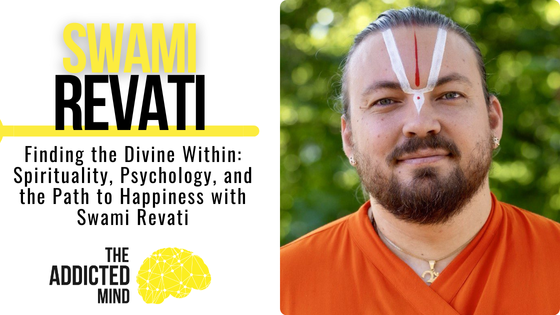
In this episode, Duane Osterlind sits down with Swami Revati, a Hindu monk with over 15 years of monastic experience. Together, they explore the intersection of Eastern spirituality, modern psychology, and the human search for lasting fulfillment. Swami Revati shares his journey from a multicultural upbringing to finding his spiritual mentor, offering a refreshing perspective on how Hinduism serves as a “science of the self.” The conversation delves into the importance of proactive living, the role of divine grace, and how to cultivate an internal source of happiness that remains stable regardless of external circumstances.
Swami Revati clarifies that Hinduism is not just a cultural identity or a polytheistic religion of competing gods. Instead, it is a diverse representation of one divine source. It functions as a marriage between philosophy and theology, focusing on two main steps:
- Self-Knowledge: Understanding who you are in full depth.
- Divine Connection: Understanding your source and building a relationship with it.
The Power of Proactive Living
Most people live by “reciprocal love”—waiting for others to be kind or respectful before responding in kind. Swami Revati argues for proactive living:
- Decide who you want to be based on characteristics (humility, respect, love) rather than roles (job title, family status).
- Maintain those characteristics even when the environment doesn’t reward them.
- Stability comes from mastering your inner world irrespective of external chaos.
The Mind as Friend or Foe
- The Goal: To make the mind your “best of friends” through discipline.
- The Method: Sadhana (spiritual practice). This involves “negation”—the practice of saying no to impulses in small ways to build the “muscle” for larger life challenges.
Redefining Happiness vs. Pleasure
- Sensory Pleasure: Temporary, circumstantial, and often tied to addictive cycles (e.g., food, social media).
- True Happiness: An internal, stable state discovered by tapping into the “spark of divinity” within the soul.
The Anatomy of “Evil”
Swami Revati breaks down negative behaviors not as an entity, but as a byproduct of three factors:
- Anger: Uncontrolled emotional lashing.
- Desire: Selfish, short-term pleasure-seeking.
- Ego: Selfishness and lack of service to something greater.
Memorable Quotes
“For one who has the mind under control, it is the best of friends; for one who doesn’t, it is the worst of enemies.” — Swami Revati (referencing the Bhagavad Gita)
“If happiness is reduced to just eating some fries and drinking a milkshake… that is momentary sensory pleasure. It has a lot to do with addictive cycles.”
“Nobody can help someone that doesn’t want to help themselves… you must have the belief that it can change.”
Resources
If you live in California and are looking for counseling or therapy please check out Novus Mindful Life Counseling and Recovery Center
We want to hear from you. Leave us a message or ask us a question: https://www.speakpipe.com/addictedmind